
What Really Happens After You File a Home Insurance Claim
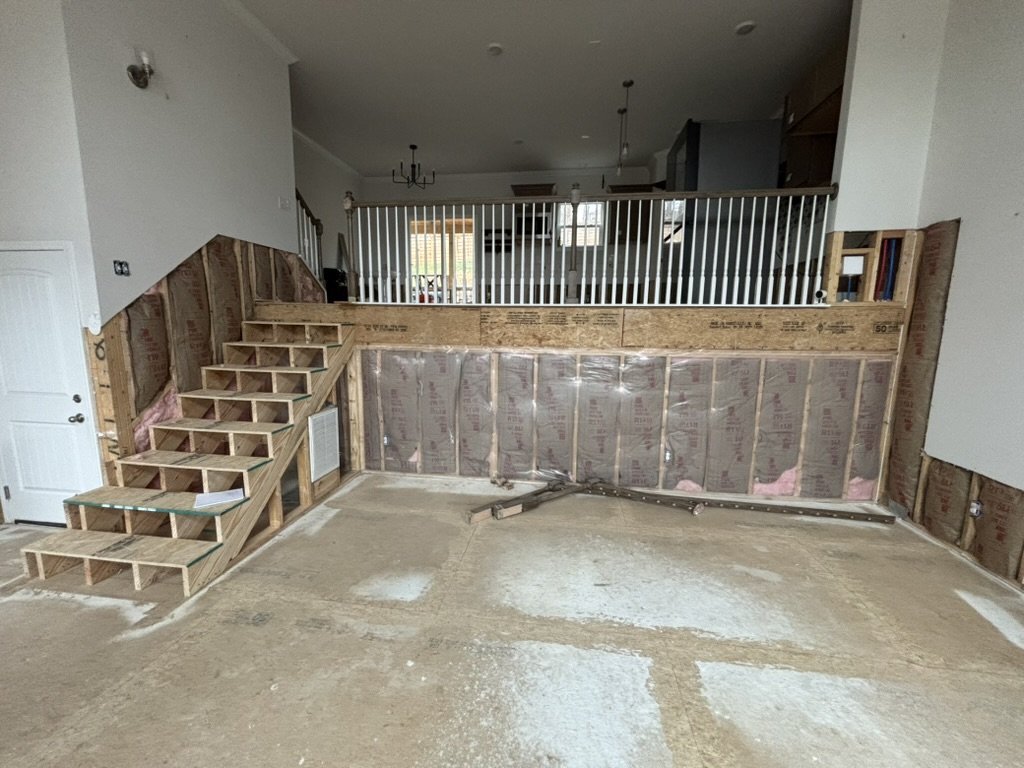
Water damage, a storm, a burst pipe — whatever brought you here, the damage is usually the easy part to understand. The claim is what catches people off guard.
Most homeowners in Nashville, Murfreesboro, and the surrounding Middle Tennessee communities have never filed a large property claim before. They expect one inspection, one check, and a repair. What actually happens is a longer process with several moving parts, and knowing the order things happen in makes it a lot less stressful.
Here's how it typically goes.
Report the Loss First, Then Stop the Damage
Call your insurance company as soon as you reasonably can. In Tennessee, carriers are generally required to acknowledge a claim within 10 business days of getting notice, and the clock doesn't start until you make that call.
You also have a responsibility under almost every policy to prevent further damage. If a pipe broke, shut the water off. If the roof is open, get it covered. Reasonable emergency work is normally covered — but take photos and video of everything before you move or throw anything away. Once it's in a dumpster, it's a lot harder to prove.
The Adjuster Writes a Scope, Not a Bid
The field adjuster comes out and documents the damage, then writes an estimate in software called Xactimate. That estimate is the carrier's opinion of what it takes to put the home back — line by line, with local pricing built in.
It's worth understanding that this is a scope of loss, not a construction bid. Adjusters are working quickly, often from the outside in, and things behind walls and under floors don't show up on the first pass. It is normal and expected for that first scope to be incomplete.
This is also the point where it helps to have your contractor on site with the adjuster. Two sets of eyes on the same damage, at the same time, prevents a lot of back-and-forth later.
Drying Out and Rebuilding Are Two Different Jobs
A lot of homeowners are surprised by this one. The mitigation company that shows up with fans and dehumidifiers to dry the structure is usually not the company that rebuilds it. Mitigation bills the carrier separately for the dry-out. Reconstruction — drywall, flooring, cabinets, trim, paint — is a second scope handled by a general contractor.
Neither company is doing anything wrong. They're just two different trades on two different parts of the claim.
Why the First Check Isn't the Whole Check
This is the single biggest source of confusion, so it's worth slowing down on.
Most policies pay replacement cost, but they don't pay it all at once. The carrier first issues what's called actual cash value — the cost to repair, minus depreciation for age and wear, minus your deductible. The withheld amount is called recoverable depreciation, and you get it after the work is finished and the final invoice is submitted.
So on a $40,000 rebuild, the first check might be $22,000. That doesn't mean the carrier shorted you. It means the rest is being held until the work is actually done.
One more wrinkle: if you have a mortgage, the lender's name is often on the check, and they may hold the funds and release them in draws as the work progresses. Call your mortgage servicer early and ask what their process is. That step delays more projects than anything else on this list.
Supplements Are a Normal Part of the Process
When demo opens things up and reveals rot, damaged subfloor, failed wiring, or work that current code now requires, your contractor documents it and submits a supplement to the carrier. It's a routine part of nearly every restoration claim, not a dispute.
The key is documentation. Photos, measurements, and a clear written scope tied to the original estimate. Supplements that are documented well get approved. Supplements that amount to "we need more money" don't.
What a Contractor Can and Can't Do for You
An experienced restoration contractor can meet the adjuster, write a detailed estimate, document hidden damage, submit supplements, and explain what every line item means.
The Short Version
Report it fast. Photograph everything. Get your contractor in front of the adjuster. Expect the first check to be partial. Call your mortgage company early. And expect at least one supplement.
At Rucker Construction, we work with homeowners throughout Nashville, Murfreesboro, and Middle Tennessee on water, storm, and property damage rebuilds — from coordinating the dry-out through the final walkthrough. If you're staring at a claim you don't fully understand, give us a call and we'll walk you through where you stand.
